What to check before booking a desert buggy
Booking a dune buggy is simple on the surface. You pick a vehicle, choose a time, and get ready for sand. The details matter more than they first appear, though. A good booking decision depends on the route, the vehicle size, what is included, and how clear the rental terms are before you arrive. A little reading at the start can prevent awkward questions at the counter and help you match the drive to your group.
Start with the driving format
The first point is the kind of drive being offered. Some rentals focus on open desert routes, while others include a guided route with stops. The experience changes a lot depending on that structure. If the day is meant to be relaxed, look for a format with a clear route and enough time for photographs and short breaks. If the aim is a more active ride, check whether the route allows varied terrain and whether the pace suits the group.
Group size also shapes the choice. A single-seater buggy gives each driver more independence and a clearer view of the terrain. A two-seater buggy can suit couples, friends, or families who want to share the experience, but it changes how the vehicle handles and who can drive. Confirm whether each driver needs a licence, what the age rules are for passengers, and whether child seats or other arrangements are mentioned. These details are easier to sort out before booking than on the day.
Check what the rental actually covers
The price of a buggy hire can cover very different things. One listing may include the vehicle only, while another may bundle guiding, safety gear, refreshments, transport, or a set route. Read the inclusions line by line. The goal is not to find the longest list, but to understand what you are relying on. If a service is not written down, treat it as uncertain until it is confirmed in writing.
Duration deserves close attention too. An hourly rental can work well for a short first experience or a tight schedule. A full-day rental gives more breathing room and may suit a wider route, but it also asks more of the driver in heat and dust. Ask how the clock is counted. Does it start at pickup, at departure, or after a briefing? Are there set return times? Clear timing helps you plan meals, transport, and the rest of the day without rushing.

Look closely at safety equipment
Safety gear is not a minor extra. Check whether helmet rental is included, whether sizes are available, and whether helmets are cleaned and checked between users. A helmet that sits loose or has visible damage is not worth accepting. Eye protection also matters in a desert setting, especially when other vehicles are nearby. Dust and sand can make a ride uncomfortable very quickly.
Ask what the briefing covers before the drive. A useful briefing explains hand signals, stopping distance, route rules, and what drivers should do if the group separates. It should also cover what happens if a vehicle slows down or stops in a remote section. The point is not to feel anxious, but to know the basic rules before engines are running. If the explanation is vague, that is a sign to ask more questions.
Read the terms before paying
Insurance coverage and damage waiver wording can be confusing, so slow down here. Find out what is covered, what is excluded, and who is responsible if a vehicle is scratched, stuck, or damaged. Terms often differ by driver age, licence status, route type, or whether a guide is present. A waiver may reduce certain costs, but it may not apply to reckless driving, unauthorized drivers, or damage caused by ignoring route rules.
The fuel policy is another practical point. Check whether the buggy comes with fuel included, whether you must return it at the same level, and what happens if the tank is low at the end. On a desert route, range is tied to safety as well as convenience. A vehicle that is low on fuel should not be treated as a small inconvenience. Ask how refuelling is handled and who is responsible during the drive.
When comparing buggy rental dubai options, pay attention to the deposit and payment conditions. Look for clear notes on cancellation, late arrival, changes to the booking, and extra drivers. The cheapest headline may come with stricter terms, while a clearer package can be easier to manage. The best choice is the one with terms you can explain back in plain language.
Match the vehicle to the terrain
Desert driving asks for respect. Sand changes through the day, and soft sections can be difficult for new drivers. Ask whether the route includes open dunes, firm tracks, or mixed surfaces. A route that sounds short on a map may feel longer in loose sand, especially for anyone unfamiliar with steering and momentum. If the group has different confidence levels, choose a format that does not push everyone beyond their comfort.
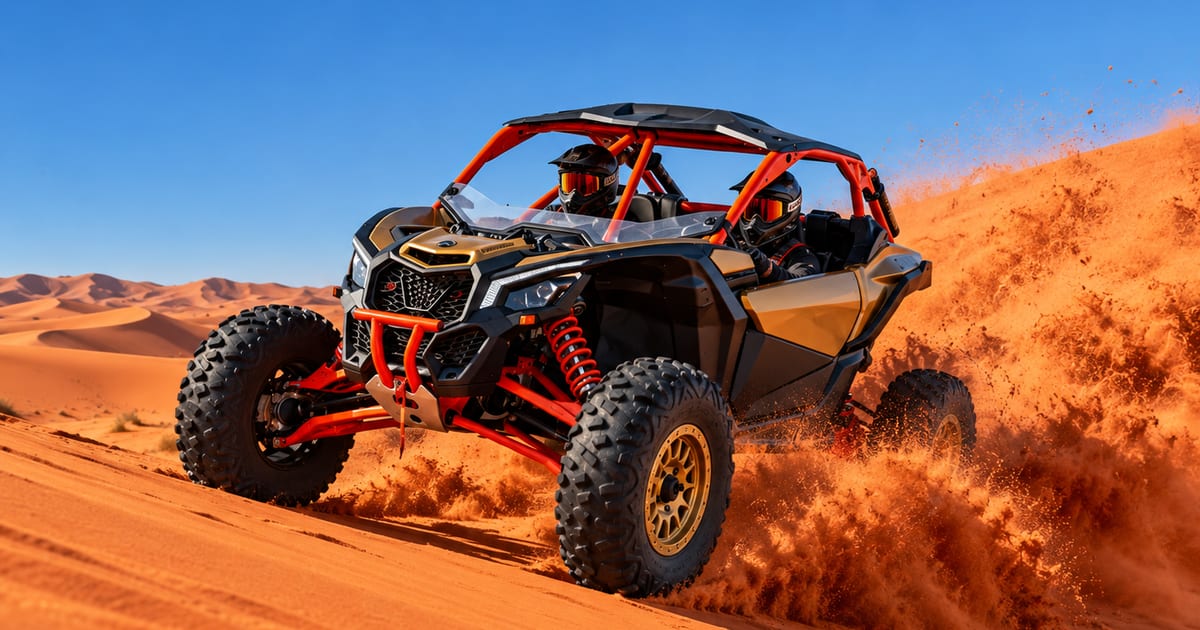
Vehicle condition and maintenance are fair questions. Ask what checks are carried out before hire and what drivers should do if a warning light appears or the vehicle feels unusual. No one should be expected to diagnose mechanical issues in the desert. The sensible response is to stop safely, inform the guide or rental contact, and follow the procedure set out for breakdowns. If no procedure is described, ask for one before the booking is confirmed.
Weather also affects the day. Midday heat can make helmets, long waits, and repeated stops harder to enjoy. Late afternoon light can be attractive, but it may also be busy. Ask how temperatures and daylight are treated in the schedule, and whether the route changes after rain or strong wind. In a desert environment, flexibility is useful when conditions shift.
Confirm the small practical details
A few simple points can make the booking feel much smoother. Check the meeting point, arrival time, and what documents each driver must bring. Ask whether there is a place to leave bags, whether phones and cameras can be secured, and what happens to personal items during the drive. Loose items can be a nuisance on sand, so it helps to know what storage is available before you pack.
Clothing is worth planning as well. Light, breathable layers often work better than heavy clothing, and closed shoes are usually more practical than sandals. Sunglasses, sunscreen, and water can make a long drive more comfortable, though any restrictions on carrying items should be checked. If passengers are joining, make sure they understand the route length and the level of dust and movement involved.
Photography rules may also matter. Some routes have preferred photo stops, while others ask drivers to keep moving for safety. Ask where stopping is allowed and how the group handles photos. This keeps the drive flowing and avoids sudden stops in places where other vehicles may not expect them.
Know what happens if plans change
Travel plans can shift, especially when they are part of a wider trip. Before booking, check how changes are handled. Can the time be moved, what notice is needed, and how does cancellation work? Are there rules for late arrival or no-shows? The answer may not affect the decision much, but vague answers can lead to frustration later.
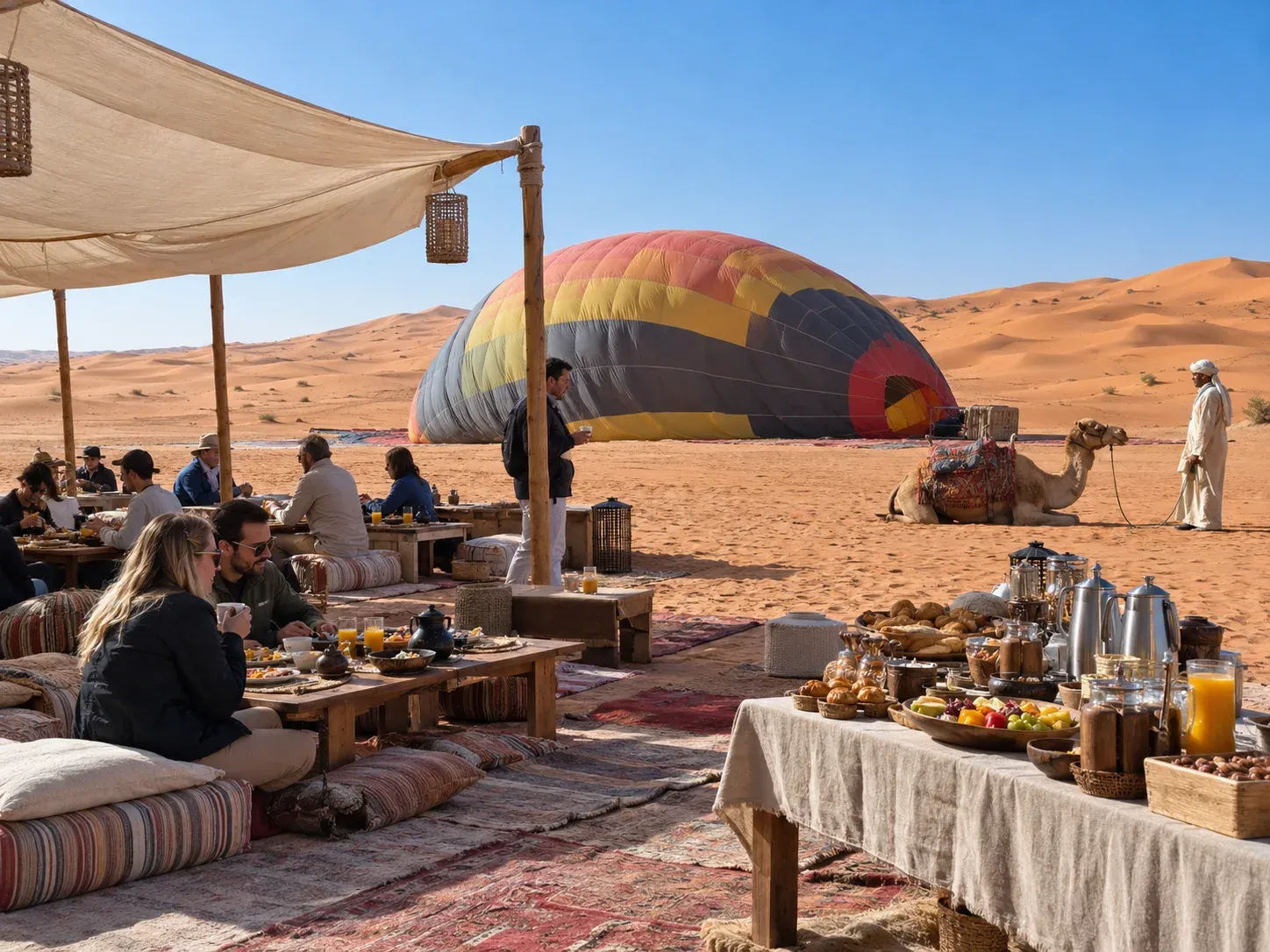
It is also worth checking how communication works on the day. Who should be contacted if the group is delayed, and what happens if the pickup point is hard to find? A clear contact plan removes guesswork. For anyone comparing buggy rental dubai packages, that kind of clarity can be as useful as the vehicle itself.
A booking feels far more reliable when the basics are settled in advance. Check the driving format, safety gear, rental terms, route conditions, and practical arrangements, then choose the option that fits the group rather than the one that simply looks exciting. Desert driving is best approached with clear expectations, sensible equipment, and room for the conditions to change.